YHL strengthens food security through responsible aquaculture, integrated farming systems, and local production. By reducing reliance on wild catch and imports, we support more resilient and sustainable seafood supply chains.
IMTA
Integrated Multi-Trophic Aquaculture
Our shrimp farms operate within an IMTA framework.
Waste nutrients generated during shrimp cultivation are channelled through multiple biological layers:
01
Fish species that consume excess organic matter
02
Oysters that filter phytoplankton and suspended solids
03
Probiotics that stabilise microbial balance
04
Sequential ponds that progressively improve water quality
05
Seaweed and other Molluscs filters and purify water
This system reduces nutrient discharge and supports water reuse across the farm.
IMTA is not a pilot concept at YHL — it is our operating baseline.
Pioneered Malaysia's first
Integrated Multi-Trophic Aquaculture (IMTA) system
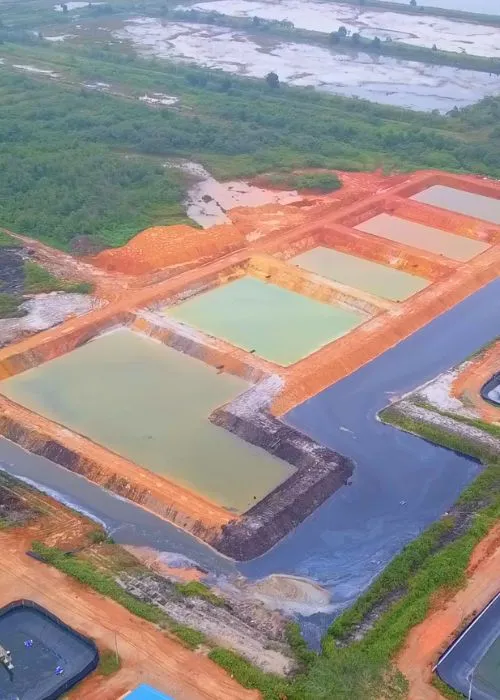
YHL has dedicated 9 acres of land to develop six interconnected ponds that work synergistically to achieve the IMTA effect.
01
Environment, Social and Governance (ESG) compliance adopted in farm operation
02
Green & environmental-friendly practices for Retention Pond (RP) system
03
Zero-Waste water treatment practised
04
2-in-1 goals: Discharge (overflow) control & water treatment
05
Shrimp (protein-rich) waste residues are naturally treated as feed for fish and molluscs systemically
The future of seafood depends on producing more food with less pressure on our oceans. Overfishing and destructive harvesting practices continue to threaten marine ecosystems and food security.
At YHL, we combine biotechnology, selective breeding, responsible aquaculture, and Integrated Multi-Trophic Aquaculture (IMTA) to produce sustainable seafood while reducing reliance on wild marine resources.
Every kilogram of shrimp cultivated within our ecosystem represents a step towards protecting ocean biodiversity and strengthening food security. By creating resilient, regenerative farming systems, YHL is helping build a future where healthy oceans and sustainable food production can thrive together.
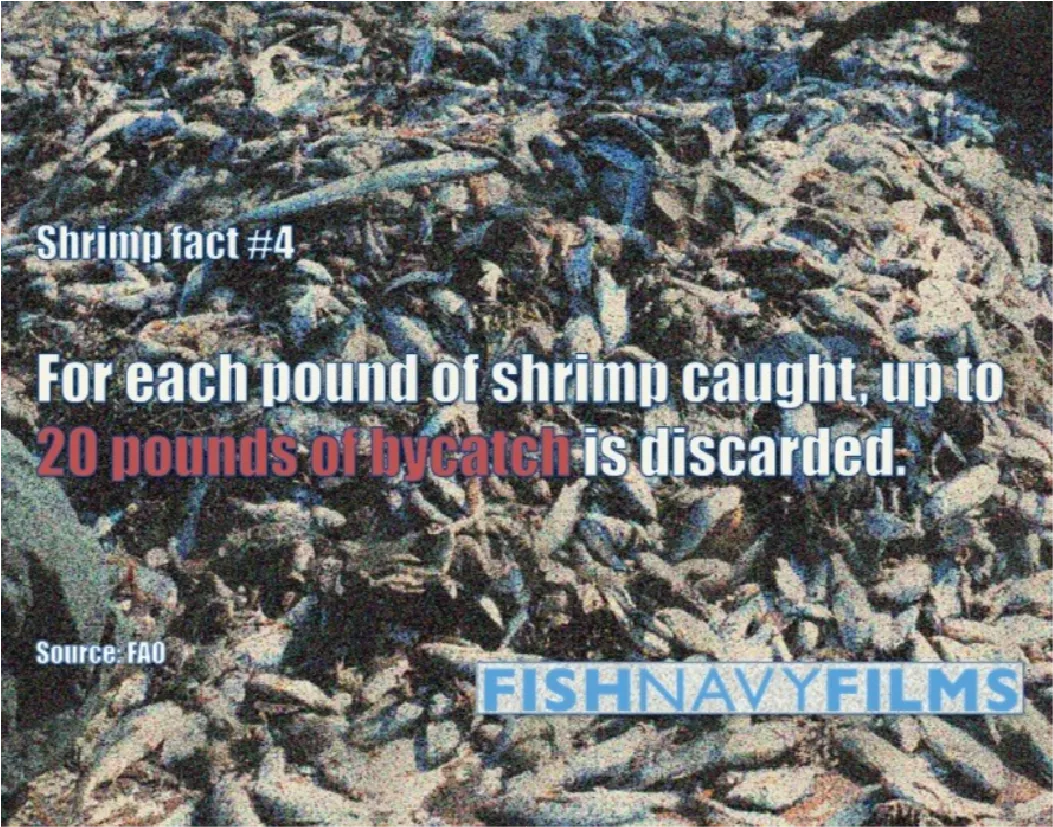
shrimp fact
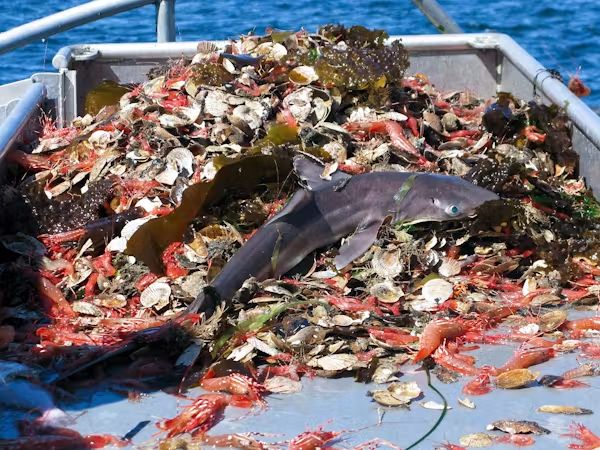
According to the Food and Agriculture Organisation, for each pound of shrimp caught, up to 20 pounds of bycatch is discarded.
Source: FAO
Dr Sarah Foster from the University of British Columbia added that an average of at least 10 kg of other marine life is captured and killed for every kilo of tropical shrimp landed. The total area of seabed trawled each year is nearly 150 times the area of forest that is clearcut.
Each year around World Ocean’s Day, family and friends ask me what they can do to make a difference to the health of our oceans. My answer? Don’t eat shrimp or prawns unless you know they have been sustainably sourced. Most aren’t.
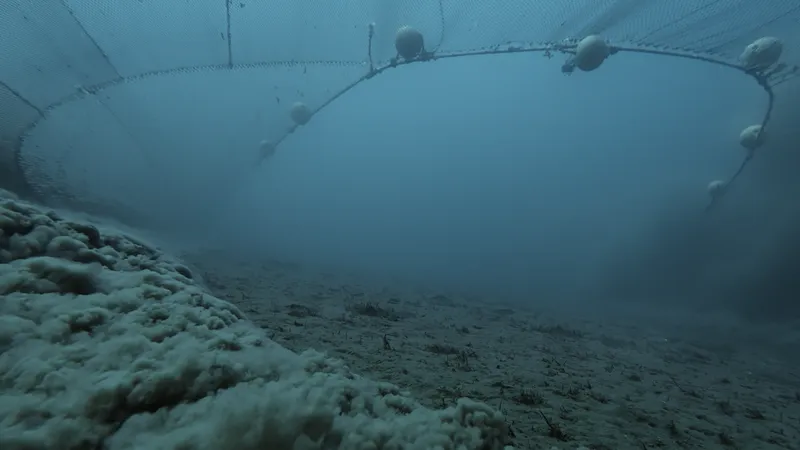
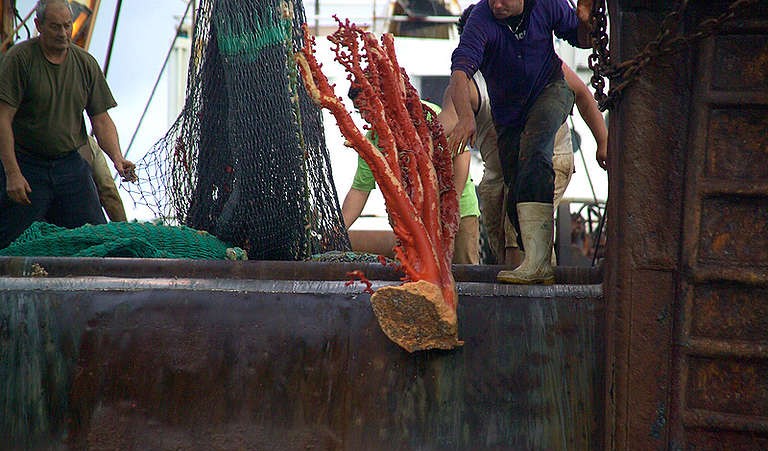
Almost all shrimp you buy come from tropical trawl fisheries. Bottom trawling essentially clear cuts the ocean floor, catching shrimp and everything else in its path. An average of at least ten kilos of other marine life — often more — is captured and killed for every kilo of tropical shrimp landed. Some of this “other catch” or “bycatch” is kept and sold as is, but most is turned into fish meal or fishoil for fertilizer and aquaculture practices. Many of these species could instead be sources of food for humans and reducing them to plant or animal feed re-directs key protein sources away from the people that need it.
Trawl fishing also destroys critical marine habitats. The total area of seabed trawled each year is nearly 150 times the area of forest that is clearcut. We criticize forest clearcuts so why aren’t we making a fuss about clear cutting the ocean floor?
Dr Sarah Foster is the Program Leader at Project Seahorse and a Research Associate at the Institute for the Oceans and Fisheries at the University of British Columbia. Her research and conservation work spans the areas of trade and bycatch – specifically the listing of marine species on The Convention on International Trade in Endangered Species (CITES), and the issue of small fish species in bycatch. Project themes include trade and policy, sustainable fisheries, and conservation education.